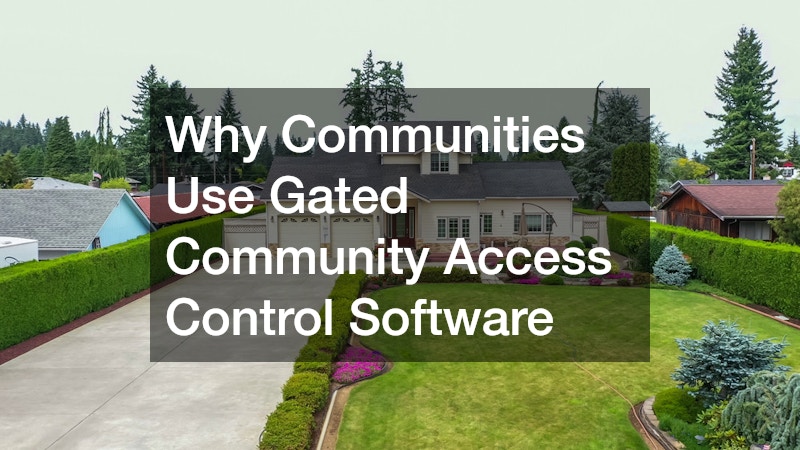
In the quest for enhanced security and streamlined operations, communities are increasingly turning to gated community access control software. This article explores the driving factors behind this trend.
1. What is Gated Community Access Control Software?
1.1 Definition and Core Features
Gated Community Access Control Software is a digital solution designed to regulate and monitor entry into residential communities. It utilizes technology to improve safety and enhance living experiences.
The core features typically include visitor management, remote access control, and integration with security cameras. Residents benefit from more agile control over their environment and feel more secure within their homes.
This software aligns with the growing trend of utilizing technology to create smarter, safer, and more efficient living spaces. It is pivotal in transforming traditional residential security methodologies.
1.2 How It Differs from Traditional Security Systems
Unlike conventional systems, gated community access control software is more dynamic and offers real-time analytics and reporting. Traditional methods often rely on manual checks, which can be prone to human error.
Moreover, the software allows for customizable access rights for different individuals, such as guests or delivery personnel. This feature is rarely available in outdated systems, providing a more tailored security solution.
The integration capabilities with other smart technologies further set it apart from past solutions. Enhancing automation and control, such software represents the forefront of residential security innovation.
2. Why Do Communities Choose This Technology?
2.1 Enhanced Security Measures
Access control software significantly bolsters security by providing advanced surveillance and access tracking features. Real-time monitoring ensures that any irregularities can be swiftly addressed.
This proactive approach reduces the likelihood of unauthorized entry and potential crime. By adopting this technology, communities create a robust line of defense against intruders.
Furthermore, the software can easily integrate with police networks to facilitate swift responses in emergencies. The automated features lower reliance on human intervention, which enhances overall security efficiency.
2.2 Improved Resident Experience
The implementation of access control software greatly improves the resident experience through heightened convenience. Residents no longer need multiple physical keys and can grant access remotely.
The convenience of visitor management systems allows for easy scheduling of guest entries, reducing stress and enhancing satisfaction. Such systems contribute to cultivating a harmonious community environment.
Additionally, real-time notifications about system status updates further add to residents’ peace of mind. They remain informed and empowered, contributing to higher satisfaction levels within the community.
3. What Are the Implementation Challenges?
3.1 Technical and Operational Considerations
Implementing access control software involves several technical and operational hurdles. From system compatibility to ensuring reliable internet connectivity, these challenges demand careful planning.
Communities must also train staff and residents on using the new system effectively. This can require time and resources, but proper education underpins successful adoption.
The complexity of integration with existing security frameworks can also pose issues. Proper alignment with existing systems is crucial to avoid potential operational disruptions.
3.2 Cost and Budgetary Constraints
Budget limitations frequently challenge the implementation of advanced technology like access control software. The initial purchase and continued maintenance costs can be significant.
However, many communities find the investment worthwhile due to the long-term savings on security staffing and related expenses. Detailed budget planning and financial analysis are essential for determining feasibility.
Cost-benefit assessment meetings and flexible payment plans offered by vendors can assist in managing these financial constraints. Planning ensures solutions align with both community needs and financial statutes.
4. How Does the Software Affect Community Management?
4.1 Streamlining Administrative Tasks
The automation capabilities of access control software streamline numerous administrative tasks, reducing the workload for management teams. Common tasks such as visitor log maintenance become automated.
This efficiency enables staff to focus on more critical community issues, enhancing overall operational effectiveness. Improved workflow supports better resource allocation within community management.
4.2 Enhancing Communication and Transparency
Access control software plays a pivotal role in improving communication between residents and management through real-time data and transparency. Notification systems provide updates on community events and security alerts.
This enhanced communication fosters trust and strengthens community ties, as residents feel more engaged. Access to shared systems for information dispersal ensures uniform and accurate communication across stakeholders.